A Low-Key Visit That Leaves Room for Conversation
Plan a low-key visit around one shared activity, open time, and a natural ending so conversation can unfold without making the day feel scheduled.
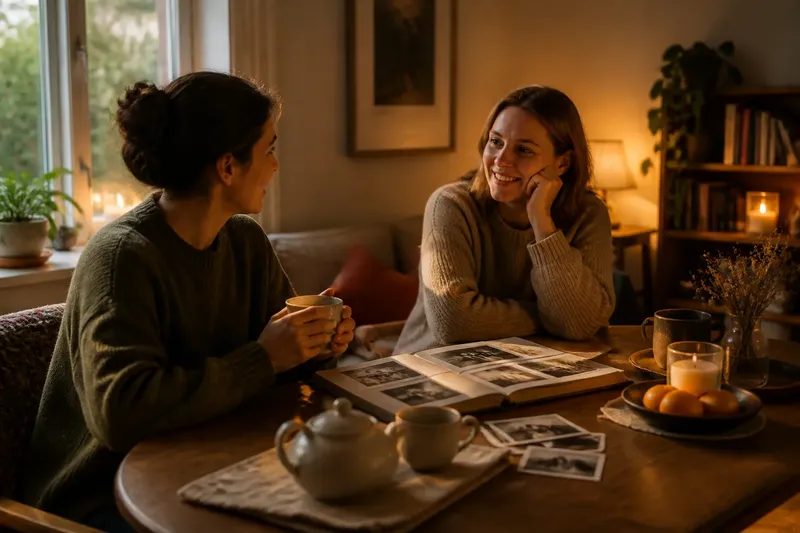
The most common mistake in planning a low-key visit is filling every pause with another activity. The result can be a day that feels more like hosting a program than spending time together, leaving little room for conversation to wander. A low-key visit works better when one shared activity gives the gathering a gentle shape, while open time and a natural ending keep it from feeling crowded.
Think of the plan as a loose arc, not an itinerary: arrive, settle in, do one thing together, then leave space to talk or simply sit. The details should make it easy for people to be present, not give them another schedule to keep.
What makes a low-key visit feel easy?
Ease comes from reducing decisions once the visit begins. Choose a familiar place, a simple activity, and a clear sense of when the gathering will wind down. That small amount of structure can help guests settle without making the occasion feel formal.
Keep the shared activity ordinary enough that it does not require everyone’s full attention. Making tea, assembling a simple snack, looking through a small stack of photographs, or taking a short walk to a nearby park can give people something to do side by side. Conversation can pause and resume without anyone needing to perform.
Also consider how the activity feels for the people coming. A walk may be pleasant for one guest and tiring or inaccessible for another. Sitting at a kitchen table with a puzzle or a bowl of fruit may be a more comfortable choice. The point is not to make the activity impressive; it is to give the visit a shared focus that suits the group.
How can you plan the visit across a week?
A little preparation spread across the week can keep the day itself simple. It also gives guests a chance to say what would make the visit comfortable, without asking them to help design an elaborate event.
- Several days ahead: Invite the person with a clear, modest proposal. Say where you’ll meet, what the shared activity might be, and roughly when you expect to finish. Offer a simple alternative if the plan depends on weather or energy.
- The day before: Check the practical details: whether the place is easy to reach, whether seating is available, and whether anyone has food or access needs you should accommodate. Keep the menu simple, or agree that each person can bring something only if that genuinely makes things easier.
- Before the visit: Set out only what the activity needs. Put the kettle, mugs, and a snack within easy reach if you are staying in; for a park visit, check the local conditions and bring what the outing calls for. Leave the rest of the room or afternoon unassigned.
- As the visit begins: Welcome your guest, offer a drink or a place to sit, and let the first few minutes be unhurried. Avoid launching straight into the activity or asking a string of questions before everyone has settled.
- When the activity winds down: Let it end without replacing it with a second planned event. You might clear the table together, take a seat, or simply ask whether your guest would like more tea. Then allow the conversation to find its own direction.
- As the ending approaches: Give a gentle cue rather than waiting until someone is tired or watching the clock in discomfort. A phrase such as “I’ll need to wrap up soon, but I’m glad we had this time” can make the boundary clear and warm.
This plan is meant to be adjusted, not followed as a timetable. If your guest arrives tired, you can shorten the activity; if conversation is flowing, you can let the unplanned part take more of the visit. Make changes in response to the people there rather than trying to complete every item.
How much open time should you leave?
Leave a substantial portion of the visit without a named activity. Open time does not mean that the host has failed to prepare. It means that nobody has to switch tasks simply because the plan says it is time to move on.
For instance, imagine you invite a friend over to make tea and look through a few photographs. You set the album on a side table rather than placing it between you as the center of attention. After a while, your friend starts talking about a family recipe; you close the album and listen. The expected result is not a particular revelation, but a visit that can follow a natural conversational thread instead of returning to a schedule.
It can help to keep a few quiet options nearby without announcing them as the next steps. A deck of cards, a bowl of clementines, or a short route around the block can be available if the conversation stalls or people would like a change. Offer one option at a time, and accept a no without trying to rescue the moment.
What if the plan needs to change?
Small adjustments are part of a considerate visit. If rain makes a planned walk unpleasant, move the conversation indoors or choose a covered public place. If someone arrives low on energy, offer a seated version of the activity. If the conversation touches something personal, pause the activity and pay attention rather than pressing on to keep the plan intact.
Notice the signals that suggest a change would help: a guest repeatedly checking the time, falling quiet in a way that feels strained, or seeming uncomfortable with the setting. These cues are not a reason to interpret someone’s feelings for them. They are an invitation to ask plainly, “Would you rather sit here, take a break, or call it a day?” A direct, low-pressure choice is often kinder than guessing.
For visits in a home, make ordinary comfort visible without fuss. Point out the bathroom, offer a comfortable chair, and let your guest know where they can put a coat or bag. These small details reduce the need to interrupt conversation to ask for basics. If the visit is in a shared or public space, choose somewhere where people can hear one another without needing to raise their voices.
How can you end without making it awkward?
A natural ending begins before anyone is ready to leave. Set a broad time expectation in the invitation, then give a gentle cue as it approaches. You can begin tidying a few things or say that you need to get on with the rest of your day. Avoid inventing an excuse; a warm, honest boundary is enough.
If you are the guest, you can make the ending easier by thanking the host and naming one thing you appreciated. If you are hosting, walk your guest to the door or to the next point in the shared space, depending on what feels comfortable. There is no need to extend the visit just to prove that you enjoyed it.
Afterward, send a brief note if that feels natural. Mention the conversation or activity you enjoyed, rather than grading the visit or asking for a promise to meet again immediately. A low-key visit is successful when both people can leave with a sense of being welcome and still have room for the rest of their day.
What do people often ask about a low-key visit?
What is a good activity for a visit focused on conversation?
Choose something familiar and easy to pause, such as making tea, preparing a simple snack, sorting photographs, or taking a gentle walk. The activity should support being together rather than require concentration or preparation that takes over the visit.
How do you keep a visit from feeling overplanned?
Choose one shared activity and leave the rest of the visit open. Keep optional alternatives available, but offer them only if the moment calls for a change.
What should you do if conversation goes quiet?
Let a quiet moment exist before trying to fill it. If it feels uncomfortable, offer a simple choice such as another cup of tea, a short walk, or a pause from the activity.
How can you set an end time without sounding rude?
Share a broad end time when you make the invitation and give a gentle reminder as it approaches. A clear statement that you have enjoyed the visit and need to wrap up can be both warm and respectful.
When planning a low-key visit, the most useful question is not how much you can fit in, but what would help the people involved feel at ease. One shared activity, unclaimed time, and an honest ending are enough to give connection room to happen in its own way.